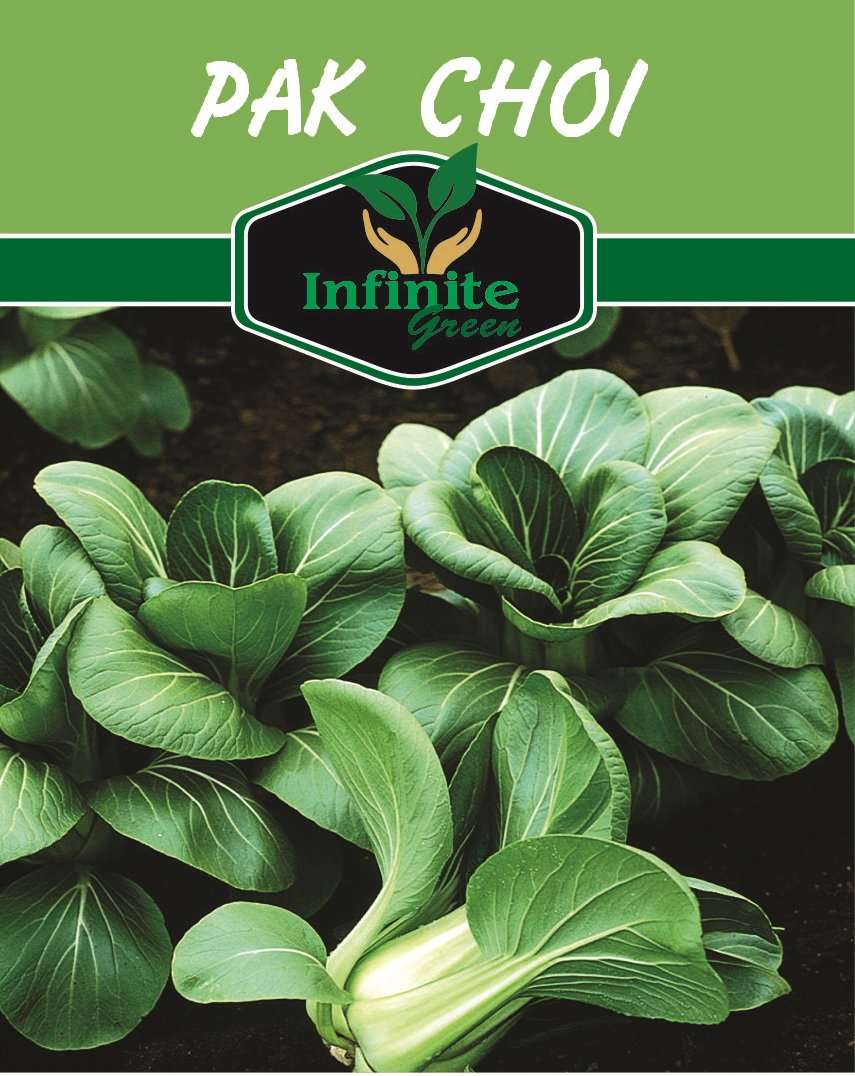
- seeds Count 45 seeds approx.
1. Choose the Right Time: Pak choi is a cool-season crop, so it’s best to grow it in the spring or fall when temperatures are mild. Avoid planting during the hottest parts of summer.
2. Select a Suitable Location: Choose a spot that receives partial to full sun. If you’re growing pak choi in a hotter climate, some afternoon shade can help prevent it from bolting (going to seed) too quickly.
3. Prepare the Soil: Pak choi prefers well-draining, fertile soil. Work compost or well-rotted manure into the soil before planting to improve its nutrient content and structure.
4. Sow Seeds:
- You can sow pak choi seeds directly into the garden bed or start them indoors and transplant later.
- If sowing directly, plant the seeds about 1/4 inch deep and 1 inch apart. Once they germinate and develop their first true leaves, thin the seedlings to a spacing of 6-8 inches between plants.
- If starting indoors, sow the seeds in seedling trays or pots. Transplant the seedlings outdoors when they’re around 4-6 weeks old and have several leaves.
5. Care:
- Water regularly to keep the soil consistently moist. Pak choi prefers even moisture to prevent bolting and bitterness.
- Mulch around the plants to help retain soil moisture and control weeds.
- Fertilize with a balanced fertilizer about a month after transplanting, and then again every 3-4 weeks. Follow the package instructions for application rates.
- Protect your pak choi from pests like aphids and cabbage worms. Consider using row covers or natural insecticides if necessary.
6. Harvesting: Pak choi can be harvested at different stages of growth:
- Baby pak choi: Harvest when the plants are small and tender, usually around 3-4 weeks after planting.
- Mature pak choi: Harvest when the plants have reached a desirable size, usually around 6-8 weeks after planting. Cut the whole head at the base or use a knife to cut individual leaves.
- If you’re harvesting mature plants leaf by leaf, new leaves will continue to grow from the center.
7. Succession Planting: To extend your harvest, consider succession planting. Sow new seeds every couple of weeks for a continuous supply of fresh pak choi.
8. Bolting Prevention: Pak choi is prone to bolting in hot weather. To prevent this, choose bolt-resistant varieties, provide some shade during the hottest parts of the day, and make sure the plants receive adequate moisture.
9. Overwintering: In milder climates, you can try overwintering pak choi by planting it in the fall. The plants might slow down their growth during the colder months but can produce fresh leaves in early spring.
With the right care, you can enjoy a bountiful harvest of pak choi, whether you’re using it in salads, stir-fries, or other delicious dishes.
Reviews
There are no reviews yet.