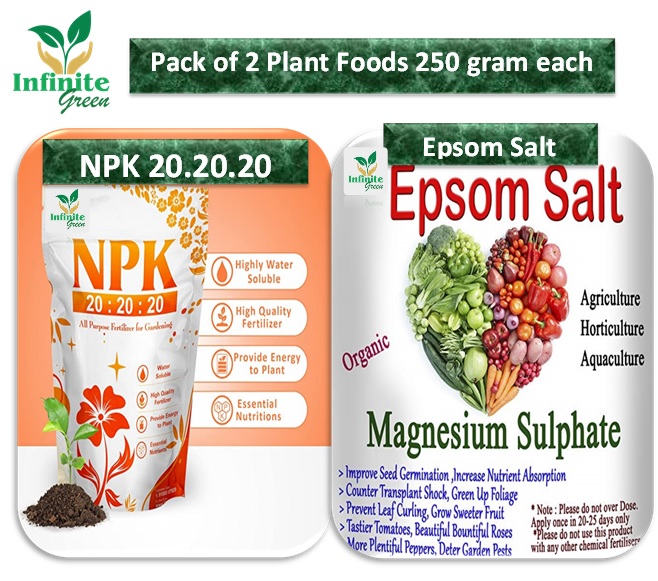
NPK 20.20.20 is a fertilizer that contains 20% nitrogen, 20% phosphorus, and 20% potassium. These are the three main macronutrients that plants need to grow healthy and strong.
Nitrogen is essential for plant growth and development. It helps plants produce chlorophyll, the green pigment that gives plants their color. It also helps plants produce proteins, which are essential for cell growth and repair.
Phosphorus is important for plant root development and flowering. It also helps plants use energy efficiently.
Potassium is important for plant water balance and disease resistance. It also helps plants produce carbohydrates, which are essential for energy production.
NPK 20.20.20 is a balanced fertilizer that can be used on a variety of plants. It is a good choice for general-purpose fertilization, and it can also be used to correct nutrient deficiencies.
To use NPK 20.20.20, follow the directions on the fertilizer label. Generally, you will need to apply the fertilizer to the soil around the plants. You can also apply the fertilizer as a foliar spray.
Be sure to water the plants thoroughly after applying the fertilizer. This will help the fertilizer dissolve and be absorbed by the plants.
NPK 20.20.20 is a safe and effective fertilizer that can help your plants grow healthy and strong.
Here are some additional things to keep in mind when using NPK 20.20.20:
- Do not overfertilize your plants. Too much fertilizer can burn the roots and damage the plants.
- Do not use NPK 20.20.20 if your plants are already healthy. This could lead to nutrient buildup in the soil.
- If you are unsure about how to use NPK 20.20.20, consult with a gardening expert.
-
Epsom salt is a good source of magnesium and sulfur, two important nutrients for plants. Magnesium is essential for photosynthesis and helps plants produce chlorophyll, the green pigment that gives plants their color. Sulfur is essential for protein synthesis and helps plants produce healthy leaves and flowers.
Epsom salt can be used as a fertilizer for plants, either by adding it to the soil or by applying it as a foliar spray. To add Epsom salt to the soil, mix 2 tablespoons of Epsom salt per gallon of soil. To apply Epsom salt as a foliar spray, mix 1 tablespoon of Epsom salt per gallon of water.
Epsom salt is most beneficial for plants that are deficient in magnesium or sulfur. These plants may show signs of magnesium deficiency, such as yellowing leaves, stunted growth, and wilting. Sulfur deficiency can cause leaves to become pale or yellow, and the plant may have difficulty flowering.
Epsom salt is generally safe to use on plants, but it is important to use it in moderation. Too much Epsom salt can cause leaf burn.
Here are some of the plants that benefit from Epsom salt:
- Tomatoes
- Roses
- Peppers
- Potatoes
- Cucumbers
- Squash
- Beans
- Strawberries
- Grapes
- Orchids
- African violets
If you are not sure if your plants need Epsom salt, it is best to consult with a gardening expert.
Here are some tips for using Epsom salt on plants:
- Test your soil to see if it is deficient in magnesium or sulfur.
- Use Epsom salt in moderation.
- Apply Epsom salt to the soil or as a foliar spray.
Reviews
There are no reviews yet.