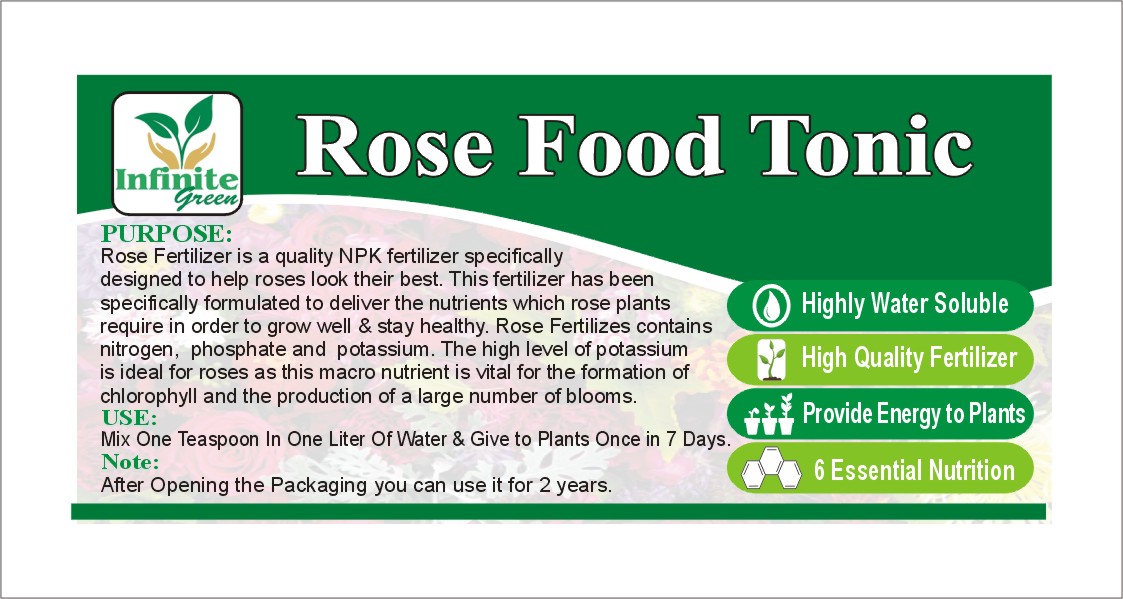
1. Nutrient Supply: Rose tonics typically provide essential nutrients such as nitrogen, phosphorus, and potassium (N-P-K), as well as secondary nutrients and micronutrients. These nutrients are crucial for healthy plant growth, strong root development, flowering, and overall vitality.
2. Flowering and Blooming: Roses are known for their beautiful flowers, and the right nutrient balance can encourage abundant and vibrant blooms. Rose tonics often contain higher levels of phosphorus and potassium, which are important for flower development, color, and longevity.
3. Root Development: Healthy roots are the foundation of strong plants. Nutrients in rose tonics support root growth and help plants establish a robust root system. This is vital for efficient water and nutrient uptake from the soil.
4. Disease Resistance: Some rose tonics include ingredients that can enhance the plant’s natural resistance to diseases and pests. These may include compounds that stimulate the plant’s defense mechanisms, leading to stronger, more resilient roses.
5. Stress Relief: Roses can face stress from environmental factors such as extreme temperatures, drought, or transplanting. Rose tonics can contain ingredients that help alleviate stress and aid in recovery after such events.
6. Micronutrient Enrichment: Micronutrients like iron, manganese, zinc, and copper are required in small quantities for proper plant growth. Rose tonics may include these micronutrients to prevent deficiencies that can lead to yellowing leaves or poor growth.
7. Foliar Feeding: Some rose tonics are designed for foliar feeding, where the solution is applied directly to the leaves. This method can provide quick nutrient absorption and can be especially helpful during periods of increased nutrient demand.
8. Overall Plant Health: A well-balanced nutrient supply from a rose tonic contributes to the overall health of the plant. Healthy roses are better equipped to fend off pests, diseases, and environmental stressors.
9. Improved Aesthetics: Healthy, well-nourished roses are more likely to have lush foliage, vibrant flowers, and an overall appealing appearance.
When using a rose tonic or any type of fertilizer, it’s important to follow the manufacturer’s instructions for application rates and timing. Over-fertilization can lead to nutrient imbalances or plant stress. Additionally, it’s a good idea to consider the specific needs of your rose varieties and the soil conditions in your garden.
Remember that while rose tonics can provide benefits, they are just one part of a comprehensive rose care regimen. Proper watering, soil maintenance, pruning, and pest control also play crucial roles in maintaining healthy and beautiful rose plants.
Reviews
There are no reviews yet.